
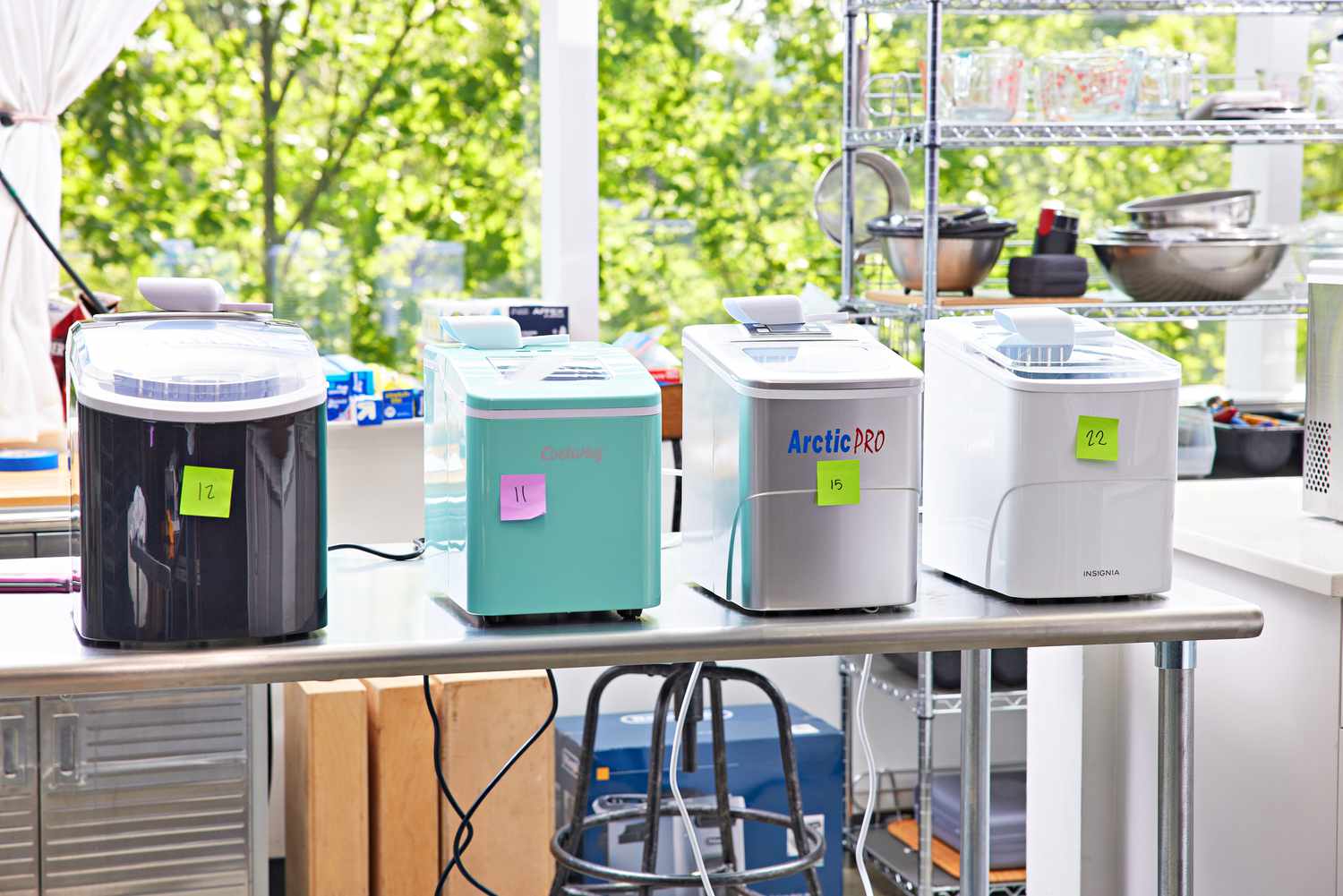
In modern homes, convenience is key, and one appliance that epitomizes this is the ice maker. Gone are the days when ice-making was solely the domain of bulky, slow-freezing trays in the freezer. Today, specialized ice makers for home use are becoming increasingly popular, providing a steady supply of ice for everything from casual drinks to elaborate cocktails. This guide will explore everything you need to know about ice-making machines for home, covering different types, features to look for, maintenance tips, and a roundup of the best ice makers for home use.
1. Understanding Ice Makers for Home
Ice makers for home use are designed to produce ice more efficiently and in greater quantities than traditional freezer trays. Whether you’re hosting a summer barbecue, enjoying a cold drink, or need ice for medical reasons, these machines ensure you never run out.
a. Types of Ice Makers
Ice makers come in various designs, each catering to different needs:
- Countertop Ice Makers: Compact and portable, these are perfect for small kitchens or occasional use. They usually produce ice quickly and are easy to store when not in use.
- Under-Counter Ice Makers: Integrated into kitchen cabinetry, these machines are more permanent solutions, ideal for families or frequent entertainers. They produce larger quantities of ice and often come with storage bins.
- Freestanding Ice Makers: Larger and more powerful, freestanding units are perfect for those who need a significant amount of ice regularly. They can be placed anywhere in the home, often featuring a sleek design that complements modern interiors.
- Built-in Ice Makers: Typically installed under the counter or within a cabinet, built-in ice makers offer a seamless look that integrates with your kitchen’s design. They are a great option for those who need a continuous supply of ice without taking up counter space.
b. Different Types of Ice Produced
The type of ice produced by a machine is an essential consideration, as different ice shapes and sizes are suitable for various uses:
- Cube Ice: This is the most common type of ice, used widely in beverages and for general cooling purposes. It’s hard and slow to melt, making it perfect for cocktails and regular drinks.
- Nugget Ice: Also known as “chewable ice” or “Sonic ice,” nugget ice is softer and smaller, making it perfect for blended drinks and those who enjoy chewing on ice. It’s a favorite for many due to its texture and versatility.
- Bullet Ice: Typically produced by countertop machines, bullet ice is cylindrical with a hollow center. It’s commonly used in smaller quantities and melts more quickly than cube ice.
- Gourmet Ice: Often found in higher-end machines, gourmet ice is crystal clear and designed to look elegant in drinks. It’s typically larger, slower to melt, and offers a touch of luxury to beverages.
2. Choosing the Best Ice Maker for Home Use
When selecting the best ice maker for your home, several factors come into play. Here’s a breakdown of what to consider:
a. Production Capacity
The production capacity of an ice maker refers to how much ice it can produce in a 24-hour period. For home use, this can range from as little as 20 pounds to as much as 100 pounds or more. Consider how much ice you’ll need daily. For small households or occasional use, a lower capacity may suffice, while larger families or frequent entertainers may require a machine with a higher output.
b. Size and Installation
The size of the ice maker is crucial, especially if space is limited. Countertop models are compact and can be easily moved or stored when not in use. Under-counter and built-in models, however, require a more permanent installation, so measuring your space before purchasing is essential.
- Countertop Models: Ideal for limited spaces, these machines are typically small and portable.
- Under-Counter Models: These require specific installation but save counter space and often produce more ice.
- Freestanding Models: Larger and more powerful, they can be placed anywhere but may require dedicated space.
c. Speed of Ice Production
The speed at which an ice maker produces ice can vary greatly between models. Some machines can churn out a batch of ice in as little as 6-10 minutes, while others may take longer. If you entertain often or need ice quickly, look for a model with a faster production rate.
d. Ease of Use and Maintenance
User-friendly controls and easy maintenance are key considerations:
- Digital Controls: Look for models with intuitive digital interfaces that allow you to select the type of ice, set timers, and monitor the ice-making process.
- Self-Cleaning Function: Some ice makers come with a self-cleaning feature, which can save time and ensure your machine remains in good working order.
- Water Source: Consider whether the machine requires a direct water line or can be filled manually. Some models allow for both options, providing flexibility.
e. Noise Level
While most modern ice makers are designed to operate quietly, some models may be noisier than others. If noise is a concern, especially in an open-plan living space, look for machines that are specifically designed for quiet operation.
f. Energy Efficiency
Energy-efficient models not only save on utility bills but also have a reduced environmental impact. Look for ice makers with energy-saving features, such as auto-shutoff when the ice bin is full.
g. Price and Warranty
The price of ice makers for home use can range widely, from budget-friendly options to high-end models. Consider your budget, but also weigh the features, durability, and warranty offered. A good warranty can provide peace of mind and protect your investment.
3. Top 5 Ice Makers for Home Use
Based on various criteria such as production capacity, ease of use, and customer reviews, here are five of the best ice makers for home use:
1. Opal Nugget Ice Maker
- Type: Countertop
- Production Capacity: 24 lbs/day
- Key Features: Produces soft, chewable nugget ice; Bluetooth-enabled; elegant design; easy to use and clean.
- Why It Stands Out: The Opal Nugget Ice Maker is a favorite among ice enthusiasts for its ability to produce soft nugget ice, perfect for cocktails, sodas, and more. Its compact design and quick production rate make it ideal for home use.
2. Scotsman CU50GA Undercounter Ice Maker
- Type: Under-counter
- Production Capacity: 65 lbs/day
- Key Features: Produces gourmet ice; stainless steel finish; energy-efficient; built-in water filter.
- Why It Stands Out: This high-end machine is perfect for those who demand a continuous supply of gourmet ice. Its durable construction and high production capacity make it suitable for both residential and light commercial use.
3. NewAir Portable Ice Maker
- Type: Countertop
- Production Capacity: 28 lbs/day
- Key Features: Compact design; produces bullet ice; self-cleaning function; fast ice production.
- Why It Stands Out: The NewAir Portable Ice Maker is an excellent choice for small households or those with limited space. Its quick production time and ease of use make it a top pick for many.
4. EdgeStar IB120SS Built-in Ice Maker
- Type: Built-in
- Production Capacity: 12 lbs/day
- Key Features: Compact; stainless steel door; front-venting; produces clear ice.
- Why It Stands Out: The EdgeStar IB120SS is ideal for those looking for a built-in solution that doesn’t require a large footprint. Its ability to produce clear, restaurant-quality ice makes it a popular choice.
5. GE Profile Opal 2.0 Nugget Ice Maker
- Type: Countertop
- Production Capacity: 24 lbs/day
- Key Features: Wi-Fi enabled; voice control; elegant design; rapid production.
- Why It Stands Out: The GE Profile Opal 2.0 takes ice making to the next level with its smart technology, allowing you to control it via voice or smartphone. Its stylish design and ability to produce nugget ice make it a must-have for modern homes.
4. Maintaining Your Ice Maker
To keep your ice maker in optimal condition and extend its lifespan, regular maintenance is essential. Here are some tips to help you maintain your ice maker:
a. Regular Cleaning
- Frequency: Clean your ice maker at least once a month, or more frequently if you use it often.
- Cleaning Solution: Use a mixture of warm water and mild detergent or a specialized ice maker cleaner. Avoid using harsh chemicals that could damage the machine.
- Procedure: Follow the manufacturer’s instructions for cleaning the ice bin, water reservoir, and other components. Many machines come with a self-cleaning feature, which simplifies the process.
b. Descaling
Over time, minerals from the water can build up inside the ice maker, affecting its performance. Descaling should be done every 3-6 months, depending on your water hardness:
- Descaling Solution: Use a commercial descaling solution or a mixture of vinegar and water.
- Procedure: Run the solution through the machine as per the manufacturer’s guidelines, then flush with clean water to remove any residue.
c. Filter Replacement
If your ice maker has a water filter, replace it according to the manufacturer’s recommendations, typically every 6 months. A clean filter ensures that your ice is pure and free of impurities.
d. Check the Water Supply
Ensure that the water supply line is free of kinks or obstructions. If your ice maker has a manual fill option, always use clean, filtered water to avoid scale buildup and impurities in the ice.
e. Inspect for Wear and Tear
Regularly inspect the ice maker for any signs of wear and tear, such as cracks in the ice bin or issues with the ice mold. Address any problems promptly to prevent further damage.
f. Winterizing Your Ice Maker
If you live in an area where temperatures drop significantly, and your ice maker is located in an unheated area, it’s important to winterize it:
- Drain Water: Ensure that all water is drained from the machine to prevent freezing and damage.
- Unplug: Turn off and unplug the machine if it will not be used during the winter months.
5. Benefits of Owning an Ice Maker for Home Use
Investing in an ice maker offers numerous benefits that go beyond convenience:
a. Constant Supply of Ice
One of the most significant advantages is the constant availability of ice. Whether you’re hosting a party, enjoying a cold drink, or using ice for medical purposes, you won’t have to worry about running out.
b. Variety of Ice Types
With a home ice maker, you can choose the type of ice that best suits your needs, from crystal-clear cubes to soft, chewable nugget ice. This flexibility enhances the drinking experience and adds a touch of sophistication to your beverages.
c. Saves Time and Effort
Gone are the days of filling and waiting for ice trays to freeze. Ice makers produce ice quickly, often within minutes, saving you time and effort. This is particularly useful when entertaining guests or during hot summer months.
d. Eco-Friendly
By using an ice maker, you reduce the need for plastic ice bags, which are often discarded after use. Many modern ice makers are also energy-efficient, further reducing your environmental impact.
e. Improves Home Aesthetics
A sleek, modern ice maker can enhance the overall look of your kitchen or bar area. Built-in and under-counter models, in particular, offer a seamless, integrated appearance that adds value to your home.
6. Common Issues with Ice Makers and How to Troubleshoot Them
While ice makers are generally reliable, they can occasionally encounter problems. Here are some common issues and how to troubleshoot them:
a. Ice Maker Not Producing Ice
- Check Water Supply: Ensure that the water supply is connected and that the water line is not kinked or blocked.
- Temperature: The ambient temperature may be too high or too low. Ice makers typically require a room temperature of 50°F to 100°F to function correctly.
- Check the Settings: Ensure that the ice maker is turned on and that the settings are correct. Some models have a delay start feature that may need to be adjusted.
b. Ice Tastes or Smells Bad
- Clean the Machine: A thorough cleaning can often resolve issues with bad-tasting or smelling ice. Be sure to clean the ice bin, water reservoir, and other components.
- Replace the Filter: If your ice maker has a water filter, replace it regularly to ensure the ice is free of impurities.
c. Ice Maker is Leaking
- Check Connections: Ensure that all water connections are secure and that there are no leaks in the water supply line.
- Inspect the Drain: If your ice maker has a drain, make sure it is not clogged or blocked.
d. Ice Maker is Noisy
- Level the Machine: Ensure that the ice maker is placed on a level surface. An uneven surface can cause the machine to vibrate and make noise.
- Check for Obstructions: Inspect the ice bin and other components for any obstructions that may be causing noise.
7. Conclusion
Ice makers for home use have evolved into essential appliances that offer convenience, versatility, and a touch of luxury. Whether you’re a casual user or an avid entertainer, there’s an ice maker out there to suit your needs. From countertop models that deliver ice in minutes to under-counter units that provide a continuous supply, the options are vast and varied.
When choosing the best ice maker for home use, consider factors such as production capacity, ice type, size, and maintenance requirements. By investing in a high-quality ice maker, you’ll enjoy the benefits of a constant ice supply, enhanced home aesthetics, and improved convenience.
As you explore the world of ice-making machines for home, use this guide to make an informed decision. The right ice maker will not only meet your needs but also enhance your home’s functionality and style. So whether you’re sipping on a cold drink or hosting a festive gathering, you can do so with the confidence that your ice maker has you covered.